Fence Installers on Matching Fences with Landscaping Strategies
An excellent fence clears up disagreements before they start. It sets timber fence styles the line, frames the sight, and, when matched with a thoughtful landscape strategy, makes the entire residential property really feel deliberate. I have actually watched lovely gardens look tiny and fussy behind the incorrect fencing. I have likewise seen a moderate lawn resemble an exclusive park since the fencing and growings were prepared as one system. The distinction originates from early coordination, not luck. When a Fence Installer talks with the landscape developer before any kind of shovel hits dirt, every little thing gets simpler and the results last longer.
Start where the land informs the truth
Before products or designs, stroll the website with the plan in hand. Locate the locations where feet already want to go. Search for the wet areas after a rain, the warmth that bounces off a south wall, the neighbor's second story home window that peers in. A fencing that overlooks those facts will certainly battle the lawn for years. A fencing that listens will seem like it belongs there.
I flag grades, root zones, and utilities first. Origins matter more than many people think. Too many articles inside a mature oak's drip line can kill an essential limb within a period or more. Keep article openings outside significant root plates when possible, and where you need to go across near a trunk, use fewer, bigger spans with larger rails as opposed to peppering the ground with blog posts. Energy locates are nonnegotiable, and I still probe by hand before I drill. Irrigation lines snake where no person expects.
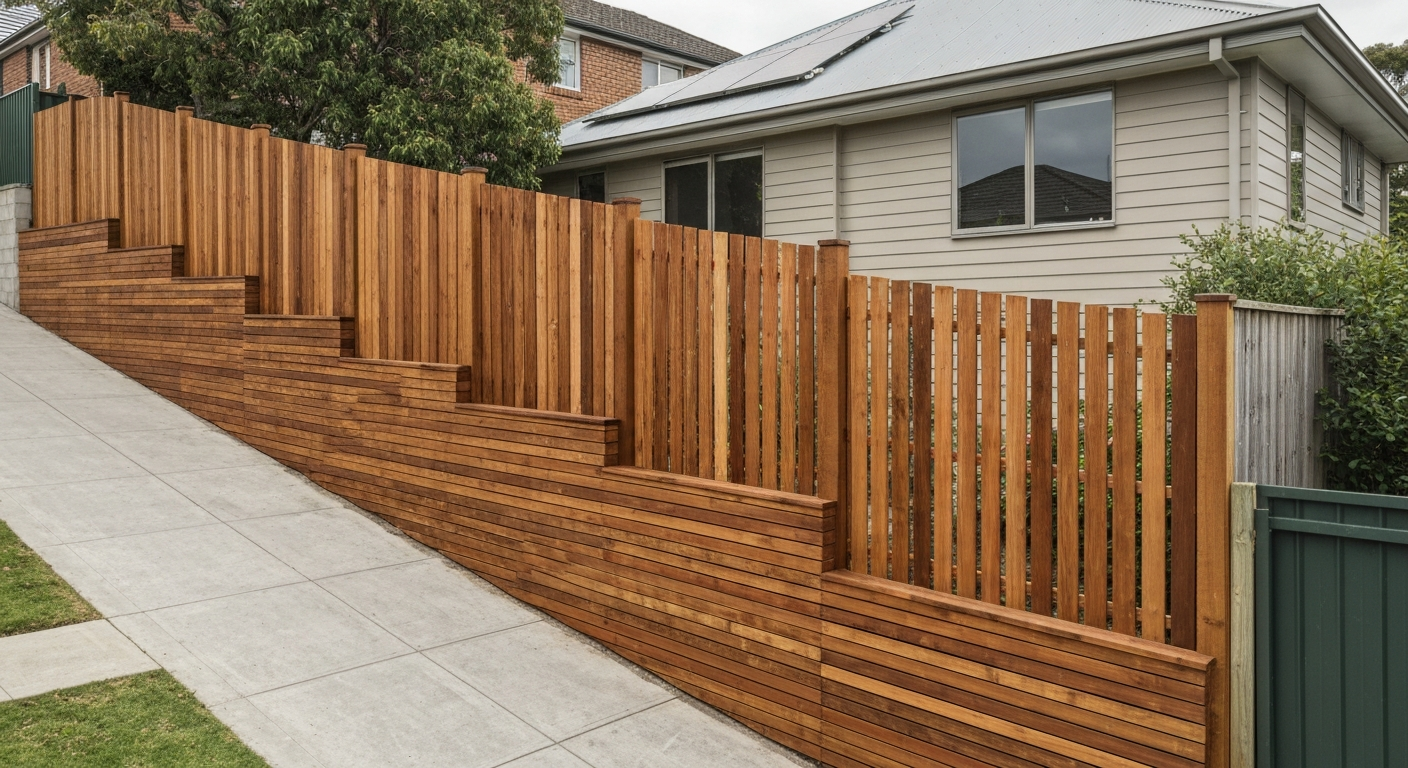
On slopes, make a decision whether the fencing should step or rake. A stepped fencing is less expensive and typically looks best with rectilinear beds, however it can leave uncomfortable triangular voids under the panels. A raked fencing tracks the grade for a cleaner bottom line, useful where pet dogs or privacy demand tight ground get in touch with. The landscape plan commonly dictates the option. If tall ornamental yards are prepared versus the fence, a tipped account can go away behind the plumes. If a reduced, clipped hedge runs purge to the base, raked wins.
Style is not design, it is a boundary story
A fencing does three visual tasks at once. It defines the residential property side, modifies sights in and out, and anchors the planting composition. When I meet with homeowners or Fencing Contractors working along with us, I ask what the fence must conceal, what it needs to mount, and what it needs to claim regarding your house. That informs us greater than any type of mood board.
For a midcentury cattle ranch with horizontal rooflines, a straight board fence reads as a natural extension. Maintain the boards tight, run them long, and allow the joints straighten with crucial view lines. For a farmhouse with solid verticals and gables, a picket with tidy spaces and a shadowline cap keeps rhythm with the style. In a forest edge, divided rail makes even more sense than a painted barricade. Context gains trend.
Privacy is rarely a yes or no. Design for gradients. Near the outdoor patio, a strong or near solid area creates a calm space. Farther out, openness can return to ensure that obtained views continue to be. I occasionally incorporate a strong base with open lattice tops, then weave mountain climbers through the latticework only where next-door neighbors rest greater. That way, the fence filters rather than blocks.
Materials behave like plants, select them that way
A landscape strategy spells out soil, water, and sun. Good fence layout respects those exact same aspects. Timber is still the most flexible on blended qualities and complicated runs, but types and surface need to fit the microclimate.
Cedar, entrusted to weather, silvers within a year on a coastal lot. In the desert, it can break like toast if not back secured and provided room to relocate. Stress dealt with ache is rugged in the ground but wants a leading cap and a straightforward tarnish to look deliberate. I tell customers in advance that yearly touch ups on horizontal caps can add 2 to 4 hours of maintenance per 50 feet. If they will certainly never lift a brush, we steer toward light weight aluminum or steel with a manufacturing facility coat.
Composite panels promise reduced maintenance, and they supply oftentimes, however they hold heat. Put a complete composite screen behind a bed of hydrangea, and you can cook the fallen leaves on July mid-days. If the strategy requires a warmth delicate hedge, break the mass with air gaps or mix composite with steel frames that allow hot air vent.
Metal fencings need plant wise as well. Black powder covered steel vanishes perfectly behind dark environment-friendly vegetation, which is a gift when you want the garden, not the limit, to take the lead. Ornamental aluminum looks like steel to many eyes, manages inclines with rackable panels, and never ever rusts, but it bends if a team leans 10 hefty rolls of sod against it. When Fence builders lots in, we protect corners and entrances with short-lived supporting so building traffic does not warp brand-new work.
Vinyl is tempting where spending plans are limited and uniformity is a priority. It holds shade, brushes off lawn sprinklers, and can stand in water logged soil better than timber. It also reads bright and smooth, which can combat with naturalistic growings. I generally layer plastic behind a deep bush boundary so just a slice glimpses through.
Height, sightlines, and the art of the reveal
A fence that secures privacy still owes you a sky view. I often set the top elevation by view testing with a 6 foot level and a strip of tape. Somebody stands where next-door neighbors rest, someone else relocates the tape up and down up until eyes are blocked and sky continues to be. That mark comes to be the real elevation, which is usually 5 feet 8 inches or 6 feet 2 inches as opposed to the nearest stock size.
Where the plan consists of sculptural trees or a solid focal pot, I go for framed sights with gateways or intermediaries. A steel gate with narrow pickets can line up so that, from the kitchen home window, you see the bronze beech centered like a paint. Good Fencing Installers view those positionings during layout, not at hinge time.
Soil, water drainage, and the life span nobody mentions
Plants experience initially from poor water management, fencings a close secondly. If the landscape strategy adds berms, swales, or a French drainpipe, integrate those lines with fence grounds. Do not catch water behind a strong panel on the low side of a slope. Either leave a 2 inch air space where code and animals enable, or run a constant gravel trench under the line that gathers and moves water to a drainpipe inlet.
For wood messages in damp clay, I make use of a bell shaped ground with washed crushed rock at the base and a concrete collar just in the leading 3rd, then I crown the concrete far from the message. That allows the lower take a breath. Solid concrete to full deepness transforms the blog post right into a straw embeded a pool. If a Fencing Contractor estimates you the very same ground specification for a hilltop and a swale, reduce them down and request for details.
In freeze country, established grounds below frost depth. I have replaced too many heaved areas where a home builder established 24 inches deep in a 36 inch frost zone. The plant beds can conceal some transgressions, yet entrances will offer the video game away when they stop latching in January.
Plants desire space, fencings require air
A thick hedge can play well with a fence, however packing shrubs hard versus panels creates illness and rot. Leave an air area, also if slim. I like 8 to 12 inches in between mature foliage and the face of the fence, and 18 inches where sprinkler heads hit routinely. For creeping plants, include standoff trellis strips or tensioned wire 1 to 2 inches off the panel. That boosts airflow and keeps quick cultivators like jasmine from consuming the fencing within a season.
Climbing roses eat wood with their thorns over time. Wisteria can lift caps. If the landscape plan insists on hefty vines, switch over to steel frames or aluminum panels in those stretches. A Fence builder that has actually fixed wisteria damages will certainly never hang a wood lattice without advising the client about weight and wind load.
Gates, paths, and just how people will really move
Gates end up where people cut corners. Comply with existing wish lines, after that tune with the plan's circuits. If the landscape includes a kitchen area yard, put a service entrance close to the driveway so dirt and garden compost do not travel across an eating balcony. If you have a swimming pool, set a wider equipment gate aligned to the pad. I utilize 48 inch solution entrances minimum, 60 inches where mowers, dirt pallets, or a hot tub could pass.
Hardware options matter greater than style blog sites confess. Stainless in coastal air, hot dipped galvanized inland. Powder coated steel latches last, but the screws do not unless you spec them as well. Self closing hinges around pools need to be area flexible. The weight of a wet fencing after a tornado can toss a low-cost joint out of square.
Wildlife, family pets, and youngsters change the spec
A fence that holds a Labrador could not stop a terrier. Add a toe board, or run the bottom rail reduced with soil rated so no daylight reveals for the first 4 inches. For felines, a prairie wolf roller at the top can maintain climbers within without the look of a prison. In deer nation, height is just half the tale. Depth assists. Two staggered 4 foot fences 3 to 4 feet apart, filled with shrubs, stop deer better than a solitary 8 foot wall, and they look like an intended hedge as opposed to a fortress.
If the landscape includes pollinator beds, stay clear of solid white plastic at their back. It can puzzle butterflies that key on light. A matte coating and broken pattern provide more secure cues. For house owners near marshes, I coordinate with neighborhood firms on wild animals pleasant spacing for pickets at the property side. It takes little work to allow turtles pass and maintain pet dogs in.
Color and finish are devices, not afterthoughts
The ideal color is in some cases none. A natural cedar that weathers to a soft gray can go away behind blue fescue and Russian sage. If you stain, match the temperature of the landscape scheme. Awesome browns and charcoals work out with timberland beds. Cozy umbers deal with baked stone and Mediterranean plantings.
For contemporary landscapes with steel and concrete, I like a close to black powder coat on metal, after that a contrasting light crushed rock at the base so the fencing appears to drift. For seaside cottages, a silent olive or driftwood discolor stays clear of the postcard white that screams for cleansing twice a year.
Painted fencings desire a system. Prime all six sides, consisting of cuts, caps, and bases, before assembly. That takes some time and an individual Fence Installer, however it conserves half the repaint cycle. Back roll after spraying. If a Fencing Contractor informs you spray just suffices, ask to see a 2 years of age task and check the lower edges.
Irrigation and lighting make or damage the finish
Sprinklers can deteriorate a coating much faster than sunlight. Readjust heads throughout the final walk so they throw out from panels as long as the plantings permit. Where they should strike, spec stainless screws and back seal stain or paint. Drip lines need a tidy path under and with the fencing without kinks. I pre drill 1 inch sleeves with posts at prepared elevations so installers are not attracted to scratch later and weaken the structure.
Lighting ought to be collaborated with the fencing layout. Downlights installed to posts can graze a hedge and make a yard really feel twice as deep during the night. Stay clear of up lights that cook caps. If the strategy makes use of low voltage runs, I leave concealed chases in constant runs to conceal cable televisions. A clever Fence Contractor prepares the cord courses prior to concrete cures.
Permitting, neighbors, and lines on paper
Code drives height and placement near roads and crossways. Edge presence triangles restrict tall fencings for safety and security, and pool codes dictate latch elevations and turn instructions. Get those appropriate very early. Next-door neighbor relationships rest on a fencing that looks ended up on both sides. Where budget plans allow, make use of shadowbox or board on board so nobody gets the blank face. If you must select, at the very least use a trim rail and tidy fastener pattern on the next-door neighbor's side. A considerate fence pays back in fewer telephone calls and longer peace.
Lot lines on studies can drift from what the eye sees. I establish string lines 6 to 12 inches inside the residential property side in contentious areas unless a common fence contract remains in writing. It gives area for upkeep and avoids legal knots later. Measure two times. Then gauge again with the neighbor watching.
Budgets, phasing, and where to spend
Big backyards often require phasing. I motivate clients to invest in the bones first. Solid corner posts, deep grounds, and well hung gateways beat expensive panels with wobbly joints. When spending plan is limited, simplify design rather than diminish structure. Miss the laser cut panel inserts this year, and make sure blog posts are true and caps are sealed.
If the landscape strategy will certainly mature into a personal privacy screen in three years, you can construct a temporary open fence currently, then replace just sections later for even more personal privacy as plants fill. Straightforward Fencing Contractors assist clients series like that instead of pushing one of the most expensive option on day one.
Mistakes experienced installers avoid
- Driving blog post areas from a CAD strategy without rechecking on grade, specifically near trees and energy stubs.
- Letting panels drift an inch here and there to go after quality, which telegrams as a curly top line from your home window.
- Ignoring the plant scheme's fully grown dimension, then obtaining called back to cut branch off of rails 2 seasons later.
- Hanging entrances prior to hardscape staffs complete, so settled pavers toss latches out of alignment.
- Staining or paint in direct sun, which blinks the solvent and leaves a fine-grained finish that fails early.
Collaboration that in fact works
The finest projects I have developed had one simple behavior. The Fence Installer appeared to the landscape layout day with flags, a long tape, and time. We strolled, relocated lines by inches, and made a decision in genuine area. A Fencing Builder that values the plant beds and origin zones makes depend on. A landscape designer that accepts that a post requires clear footing makes clean lines.
I like a common set of details: footing midsts by soil area, common section for fencing and growing offsets, finish routines by orientation, and a straightforward note set for watering, lights, and drainage. It reviews like a list without the rule, and it maintains crews from suggesting at the back corner while the concrete cures.
Regional truths and what they teach
On a coastal site in New England, a client wanted privacy without shutting off ocean breeze. We set up 5 foot 6 inch straight cedar with a 6 inch open slat on top, articles sleeved in stainless where they fulfilled concrete, and a spacer detail that kept boards 1/8 inch apart. The landscape strategy made use of bayberry and inkberry in a staggered boundary. 2 years in, the fencing still breathes. The slat top frameworks skies and gulls. Salt haze not did anything due to the fact that we secured end grain, and the plantings softened the line.
In Phoenix metro, we combined a steel tube frame with composite insets only in patio areas, after that changed to steel pickets behind agave beds to air vent warmth. The grade fell 18 inches over 60 feet, so we raked the perform at a consistent 1.5 percent and let a disintegrated granite swale grab water drainage. The owner reports the outdoor patio is 8 to 10 degrees cooler on summer season evenings than his neighbor's full composite wall.
In the Midwest, a family with two pets and a veggie garden required utility. We built a 4 foot picket in the front fifty percent of the yard to keep a pleasant face to the road, after that a 6 foot board on board in back with a mesh liner near the bottom to quit excavating. Gates lined up to the compost container and the shed, both on crushed rock pads to keep mud down. The landscape plan utilized serviceberries as a soft display that will take control of some personal privacy responsibilities as they mature, which let us lighten a few areas and save cost.
Sustainability that is more than a label
The greenest fencing is the one you do not reconstruct every 8 years. Sturdy species, thoughtful surfaces, and breathable details lower waste. Salvaged timber can be magnificent, yet select it for dry areas and framework it with new structure. Thermally changed ash is a workhorse where budget plans enable, taking stain equally and resisting rot. On metal, a lengthy life powder coat beats paint cycles. Recycled composite is far better than virgin, but still prepare for development and movement so the boards do not buckle and force replacement.
I likewise think about environment. A 2 inch animal void at the bottom of an open fencing at the back easement can let little pets pass while still keeping pets safe generally lawn. Plant dense native bushes along fencings to feed birds and damage wind. A fencing can be a foundation for a community if it is not constructed like a bunker.
A short prepour checklist that saves headaches
- Confirm post centers against gate leaf widths, hinge clearances, and hardware swing.
- Check leading heights at essential views from inside your house, not just at the home edge.
- Walk watering lines and lighting paths with the installer, and sleeve where crossings are required.
- Verify drainage paths, specifically under strong operate on low grades, and include crushed rock trenches if needed.
- Review plant spacing and fully grown dimensions along each stretch, readjusting offsets to preserve airflow.
Final ideas from the jobsite
Fence job looks straightforward up until it has to cope with a full landscape plan. After that the tolerances shrink and the risks increase. A fence can hold a garden together, sanctuary a patio area from wind, and offer a home the privacy it requires without turning its back on the street. That takes control, field judgment, and crews that appreciate more than plumb posts and limited nails.
When you work with, look for a Fence Contractor that talks about dirt, water, and sightlines as quickly as bolts. Ask Fencing Installers to reveal you a project at two or 3 years old. Notice the lower sides, the gate swing, the color at sunlight blasted corners. The very best Fencing Builders will point out their own lessons found out and inform you what they would do in different ways following time. Those are the partners who assist a landscape plan become the fence and, in time, make the border go away so the yard can take center stage.